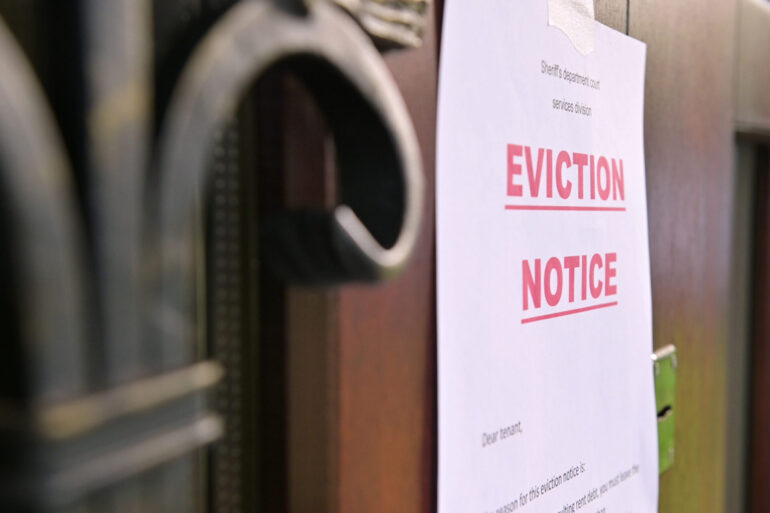


It usually starts small. A tenant who reliably replied within a day or two goes quiet. You send a rent reminder and hear nothing. You ask about access for a repair and get no response. The arrears tick upward, the boiler issue sits unresolved, and you’re left wondering whether they’ve seen your messages and chosen to ignore them, or whether something else is going on.
The temptation, when a tenant goes silent, is to either leave it too long in the hope it sorts itself out, or to send message after message across every channel until the tone starts to shift. Neither approach helps. The first lets the situation drift. The second risks crossing the line from reasonable contact into something that looks like harassment — and that creates a problem of its own.
This guide is for self-managing landlords in England. It covers a calm, consistent approach to re-opening communication, protecting your paper trail, and knowing when silence has become a decision point. It’s general information, not legal advice.
Why tenants go silent
Understanding the most likely explanation helps you respond proportionately. Some tenants go quiet because they’re overwhelmed — financial pressure, mental health difficulties, a relationship breakdown — and engaging with the landlord feels like one problem too many. Others are avoiding a specific issue: arrears, damage, or an unauthorised occupier they don’t want to explain. Some have simply changed their number or email without thinking to let you know. Others are angry about something — a repair that wasn’t fixed, a rent increase, a perceived slight — and silence is their response. And occasionally, a tenant is deliberately running down the clock, hoping the landlord will lose patience and give up.
Your approach needs to work regardless of which of these is true: calm, documented, and consistently spaced.
Fewer messages, not more
When a tenant goes quiet, the anxiety of not knowing what’s happening can push landlords toward over-contacting. Multiple messages across WhatsApp, email, text, and phone in the space of a few days, with a tone that gets sharper with each one, doesn’t look diligent if it ever gets scrutinised. It looks like pressure. And a pattern of repeated, escalating contact across multiple channels can itself constitute harassment, regardless of whether that was the intention.
The more effective approach is fewer contact attempts, more clearly worded, spaced out over time, each one with a specific purpose and a reasonable deadline. That pattern demonstrates reasonable behaviour and builds a credible record.
A practical sequence to follow
Day one: one message, one clear request.
Send a single message — text, WhatsApp, or email — that is short, factual, and includes a specific deadline. Something like: “Hi [Name], I need to hear from you about [rent/access/repair]. Please reply by [tomorrow at 5 pm] so we can sort it out. Thanks.” That creates a timestamped record and sets a reasonable expectation without being threatening.
Day two: a second channel, slightly more formal.
If there’s no reply, send one message via a different channel — email if you texted yesterday, or text if you emailed. Keep the wording similar but a degree more formal: “Following my message yesterday, I still haven’t had a reply. Please confirm you’ve received this and respond by [date/time]. If I don’t hear from you, I’ll need to take the next step to protect the tenancy and the property.” Firm, but not aggressive.
Days three to four: one phone call, then a written follow-up.
Make a single call attempt at a reasonable hour. If there’s no answer, don’t call again that day. Send a short follow-up by email or message: “I tried to call today at [time] to discuss [issue]. Please reply by [date/time].” You now have two written contact attempts and one call attempt on record, with clear deadlines. That’s a reasonable pattern of contact that’s hard to characterise as harassment.
Days five to seven: a formal letter by post.
If the tenant is still not responding, send a formal letter to the property address — and any other address for service in your tenancy agreement. Use first-class post and get a certificate of posting. The letter should state what you need, set a deadline of about 7 days, describe what the next step will be if you don’t hear back, and be written in a calm, neutral tone. A letter matters because it’s harder for a tenant to claim they didn’t receive it, and it shows you’re not relying solely on digital channels they might claim they didn’t see.
If the silence is about rent
Keep your rent ledger updated weekly throughout. When communication has broken down, a clean and current ledger becomes even more important — it’s the foundation of any formal action you might need to take. If you receive a partial payment with no message, acknowledge it in writing immediately: “Thanks for the payment. Please confirm whether this is part payment of the arrears and when the balance will be paid.” That prevents later confusion about what was agreed.
It also helps to set your escalation thresholds in advance rather than making ad hoc judgements under stress. At what point do you send a formal letter? When do you start preparing for a formal notice? Having those markers set means you’re following a plan rather than reacting, which tends to produce better outcomes and a cleaner paper trail.
If the silence is about repairs or access
Silence doesn’t absolve you of your obligations as a landlord, particularly for safety-related repairs. If access is needed for something urgent — a gas issue, a water leak, electrics — you have duties that continue regardless of whether the tenant is engaging. Offer access windows in writing, with two specific options, and invite suggestions for alternatives if neither works. Keep a record of every attempt. If the tenant refuses to engage with access requests for safety repairs, that becomes important evidence in its own right.
What to avoid is entering the property without permission out of frustration, even where you’ve given notice. Unless there’s a genuine emergency, doing so inflames the situation and creates risk. If you’re genuinely worried about safety at the property, take professional advice on the appropriate route rather than acting unilaterally.
The line between reasonable contact and harassment
Harassment in a landlord-tenant context isn’t limited to overt threats or aggression. A pattern of behaviour that puts pressure on a tenant or interferes with their quiet enjoyment can cross that line, even if each individual act seems minor. The behaviours that landlords slip into when they’re stressed and not getting replies include messaging repeatedly every day across multiple platforms, turning up at the property unannounced, contacting neighbours to try to reach or pressure the tenant, making threats to change the locks or cut off services, and calling at unreasonable hours.
The safer pattern is spaced contact attempts, in writing, each one for a specific stated purpose, with reasonable deadlines, and a tone that stays level throughout. That pattern is both legally safer and more likely to actually work — a tenant who feels pressured is less likely to re-engage than one who receives a clear, calm message with a specific ask.

What if you think the tenant has abandoned the property?
Landlords often reach this conclusion quickly when a tenant is silent and hasn’t been seen for a while. Be careful. A tenant can be away for an extended period and still legally occupy the property. Re-entering or re-letting on the assumption of abandonment without following the proper process can create serious legal problems.
The safer approach is to continue written contact attempts, ask directly for confirmation of occupancy, consider a welfare check if you have genuine concerns about the tenant’s safety, and take advice before doing anything that treats the tenancy as ended. Abandonment has a specific legal meaning and requires more than silence to establish.
The evidence to build while they’re silent
Keep everything in one place: screenshots of messages with dates and times visible, copies of emails, a call log noting dates, times, and that there was no answer, copies of posted letters and their certificates of posting, the rent ledger, any repair logs, and records of contractor appointment attempts. If the situation escalates to formal action or any kind of dispute, that file is what demonstrates you acted reasonably throughout.
Two templates you can use
Day one message:
Hi [Name], I need to hear from you about [rent/access/repair]. Please reply by [date/time] so we can sort it out. Thanks.
Formal letter:
Dear [Name], I am writing because I have been unable to reach you regarding [issue]. Please contact me within 7 days of the date of this letter. If I do not hear from you, I will proceed with the next formal step to protect the tenancy and the property. Yours sincerely, [Name]
When silence becomes a decision point
There comes a point where silence stops being a communication problem and starts being a risk — when arrears are growing, when access is needed for safety repairs, when neighbours are complaining, or when you have reason to think the tenancy terms are being breached. At that point, the goal shifts from re-opening communication to protecting your position. That means making sure your evidence pack is complete, checking that your own compliance is in order, and — if formal action is becoming likely — getting a notice reviewed or prepared properly before you serve it.
Silence feels personal. It rarely is. The landlords who handle it best are the ones who treat it as a process problem rather than an emotional one — who stay calm not because calm feels good, but because calm keeps the paper trail clean and the options open.