

Picture this: you’ve done the “hard part” (served notice), you’ve waited out the notice period, you’ve paid court fees… and then the case collapses because of one missing document or a tiny timing error.
It happens all the time—and it’s usually avoidable.
This post is a friendly, landlord-to-landlord style checklist of the 12 most common Section 21 tripwires in England, plus what to do instead so you don’t lose months (and money) to a preventable mistake.
Quick heads-up: Section 21 is changing soon (England)
Before we get into the mistakes, one important reality check: the rules around private renting are changing from 1 May 2026, including the end of Section 21 “no-fault” evictions under the Renters’ Rights Act. So, if you’re planning to rely on Section 21, double-check where things stand now and your tenancy dates before you kick things off.
The “30-second” Section 21 refresher
A Section 21 notice lets you regain possession of a property let on an assured shorthold tenancy (AST) in England—typically at the end of a fixed term or during a periodic tenancy—without needing to prove the tenant did anything wrong.
But it only works if:
- You use the right form and give the right notice period, and
- You’ve ticked off the key legal requirements (deposit rules, prescribed documents, licensing where required, that sort of thing).
Now, the mistakes.
The 12 Mistakes That Get Section 21 Notices Thrown Out
1) Using the wrong form (or a DIY version missing required info)
In England, you generally need Form 6A (or a notice that contains the same information).
Quick fix: Download the latest Form 6A and fill it in carefully. Don’t just grab a random template from the internet—you’ll regret it.

2) Serving it too early (the 4-month rule)
You can’t use Section 21 if it’s less than 4 months since the tenancy started. Full stop.
Quick fix: Confirm the exact tenancy start date (don’t guess). If you’re cutting it close, wait until you’re safely past month four.
3) Trying to end a fixed term early without a break clause
If the fixed term hasn’t ended, you usually can’t use Section 21 unless there’s a clause allowing it (a break clause, properly used).
Quick fix: Read the tenancy agreement. If there’s no workable break clause, you’ll probably need to wait for the fixed term to end—or use another route (Section 8, for example, where appropriate).
4) Getting the notice period wrong
A Section 21 notice must give at least 2 months’ notice. In some contractual periodic tenancies, you may need to give longer (say, if rent is paid quarterly).
Quick fix: Work out whether it’s a statutory periodic tenancy or a contractual periodic tenancy and match the notice period to what’s actually required.
5) Messing up the dates (expiry date confusion)
Even a small date error can hand a tenant (or their adviser) an easy defence, and suddenly you’ve added weeks or months of delay.
Quick fix: Use Form 6A, follow the notes, and double-check the date you write in Section 2 of the form. Then check it again.
6) Serving the notice incorrectly (and not being able to prove it)
A perfect notice that you can’t prove was served… might as well not exist. Incorrect service is one of the most common reasons notices fall apart in court.
Quick fix:
- Follow the service method in the tenancy agreement (if it specifies one)
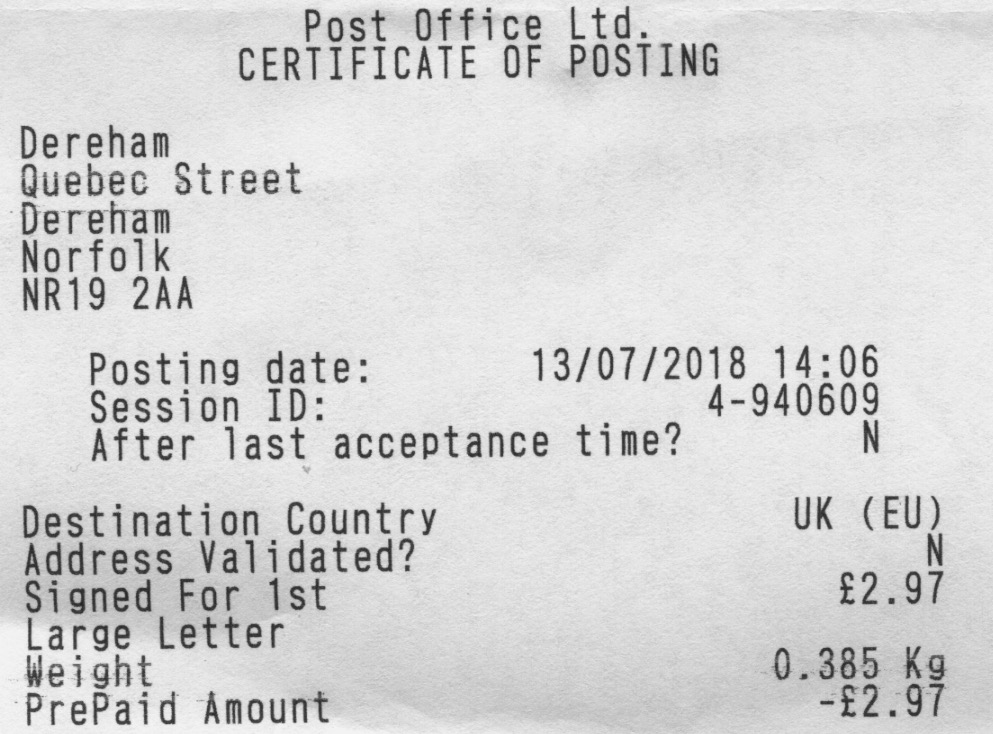
- Keep evidence: screenshots, emails, witness notes, certificate of posting—whatever you’ve got
- Consider using the court’s N215 Certificate of Service approach to keep your paperwork tidy
Part two can be found here...
Friendly but important note
This is general information for landlords in England, not legal advice—eviction law is detail-heavy, and small facts can change outcomes. When in doubt, get proper advice before you do anything you can’t undo.