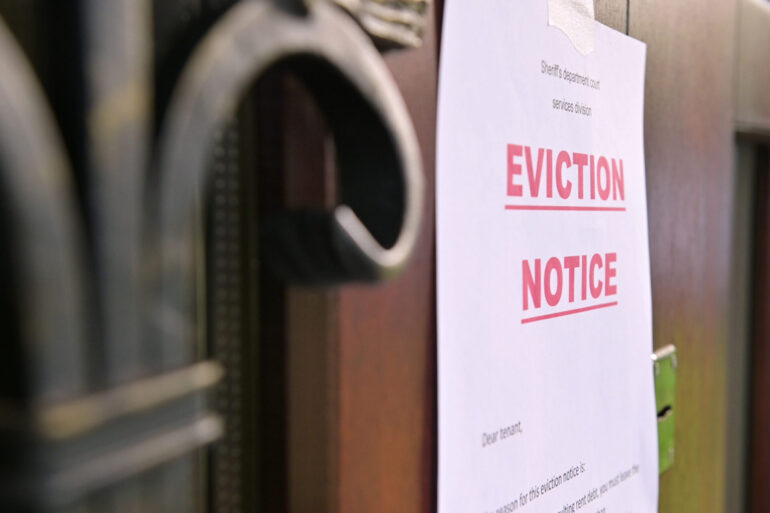

If you’re a single-let landlord, an accidental landlord, or you manage your own property, you’ll know the feeling: most of the time, things run fine… until they suddenly don’t. And when they don’t, it’s rarely one big dramatic event—it’s a stack of small issues that snowball into a massive time-sink (and a stress-sink).
Here are the five biggest pain points hitting self-managing landlords in England right now—and some practical ways to make each one less painful.
1) Keeping up with rule changes (without missing something important)
Let’s be honest: the legal and compliance landscape is moving fast. The biggest shift is the Renters’ Rights Act, which comes into effect on 1 May 2026, including the end of Section 21 and changes to tenancy and rent increase processes.

For self-managers, this is a double hit:
- You have to actually understand the changes, and
- You have to apply them correctly without an agent acting as a safety net
No one is double-checking your work. It’s just you.
What helps: create a simple “compliance pack” for each tenancy—one folder (digital or physical) where you chuck the essentials and keep them current. When you know where everything is, you avoid that last-minute panic when you need to act fast and can’t find the bloody gas certificate.
2) Possession delays and the “how long will this take?” problem
Even when a landlord is entitled to possession, the timeline can be long and unpredictable. Official statistics have shown that landlord possession claims can take many months from claim to repossession, and delays vary wildly by area and which stage you’re stuck at.
For accidental and single-let landlords, that uncertainty can be brutal. If the rent stops, or a tenancy turns difficult, you probably don’t have the financial cushion a portfolio landlord has. You’re just… stuck.
What helps: think like a project manager, not a firefighter:
- Keep a written timeline: “If X happens, I do Y next.”
- Don’t wait until you’re desperate to learn the process (you’ll regret it)
- If a situation starts wobbling (arrears, repeated breaches, serious complaints), get organised early—not when it’s already a disaster
The big win is avoiding that emotional “freeze” where you do nothing for weeks because you’re completely overwhelmed and don’t know where to start.
3) Notices, proof of service, and paperwork mistakes that derail everything
This one is sneaky because it often doesn’t feel serious at the time.
A self-managing landlord might:
- send an email instead of serving properly,
- forget to keep proof of posting,
- miscalculate dates (easy to do), or
- Assume a tenant “obviously got it.”
Then later—when you actually need to rely on it—you find out your evidence isn’t strong enough, or the paperwork doesn’t stand up to scrutiny. And suddenly you’re back at square one, months behind.
With Section 21 going away, the system becomes more ground-based, meaning evidence and process matter even more than they did before.
What helps: adopt a “belt and braces” routine:
- Serve by first-class post and get a Certificate of Posting (it’s free, just do it)
- Keep a copy of what you actually served
- Keep a simple service log: date, time, method, address/email used
- Take photos/witness notes if hand delivering
It’s boring admin—but it’s the sort of boring admin that saves you months of lost time and money.
4) Tax admin getting heavier (Making Tax Digital)
If you’re an accidental landlord, this is the one that can feel like: “Hang on… I didn’t sign up for this.”
From 6 April 2026, landlords with qualifying income over £50,000 will need to comply with Making Tax Digital for Income Tax (digital records + quarterly updates). The threshold drops to £30,000 from 6 April 2027.
Even if you’re not above the threshold yet, the direction of travel is clear: tax reporting is becoming more frequent and more system-driven. This isn’t going away.
What helps: get ahead of it with a simple set-up now:
- one bank account for rental income/expenses (if possible—makes life so much easier)
- a tidy “expenses categories” list (boiler, insurance, repairs, whatever)
- a habit of logging income/expenses monthly (not in a mad rush once a year)
The aim is to make compliance routine instead of a once-a-year panic where you’re scrambling through receipts at midnight.
5) Margin pressure: repairs, voids, affordability, and the hidden costs
The fifth pain point is less dramatic but persistent: costs continue to rise, tenants feel financial pressure, and maintenance costs remain high. Self-managing landlords also carry the hidden cost of time—chasing contractors, handling damp complaints, negotiating access, and dealing with those awkward arrears conversations nobody wants to have.
It all adds up. And you can’t just ignore it.
What helps: reduce surprises wherever you can:
- set aside a maintenance buffer (even a small monthly amount helps)
- keep a shortlist of reliable contractors (gold dust when something breaks at 9 pm)
- Use templates for tenant comms so you stay calm and consistent instead of firing off emotional emails you’ll regret
- keep your property “complaint-proof” where possible (quick responses, written records, fix stuff before it becomes a complaint)
A simple takeaway
Most landlord stress comes from uncertainty + admin chaos. A tidy compliance pack, a proof-of-service routine, and a simple timeline plan won’t solve everything—but they’ll reduce a significant chunk of that stress.
And honestly? That’s worth the boring admin.