

The property landscape in England is shifting faster than a London commuter train, and landlords are finding themselves at a crossroads. With the Renters’ Rights Act looming on the horizon, many are asking themselves: should I sell up, stick around, or double down on my property portfolio? It’s a question that’s keeping property investors awake at night, and honestly, I don’t blame them.
Let’s face it—being a landlord isn’t what it used to be. The days of easy money and minimal regulation feel like a distant memory. Now, with new legislation threatening to reshape the rental market entirely, property owners are scrambling to figure out their next move. But here’s the thing: panic rarely leads to good decisions.
Understanding the Renters’ Rights Act Impact
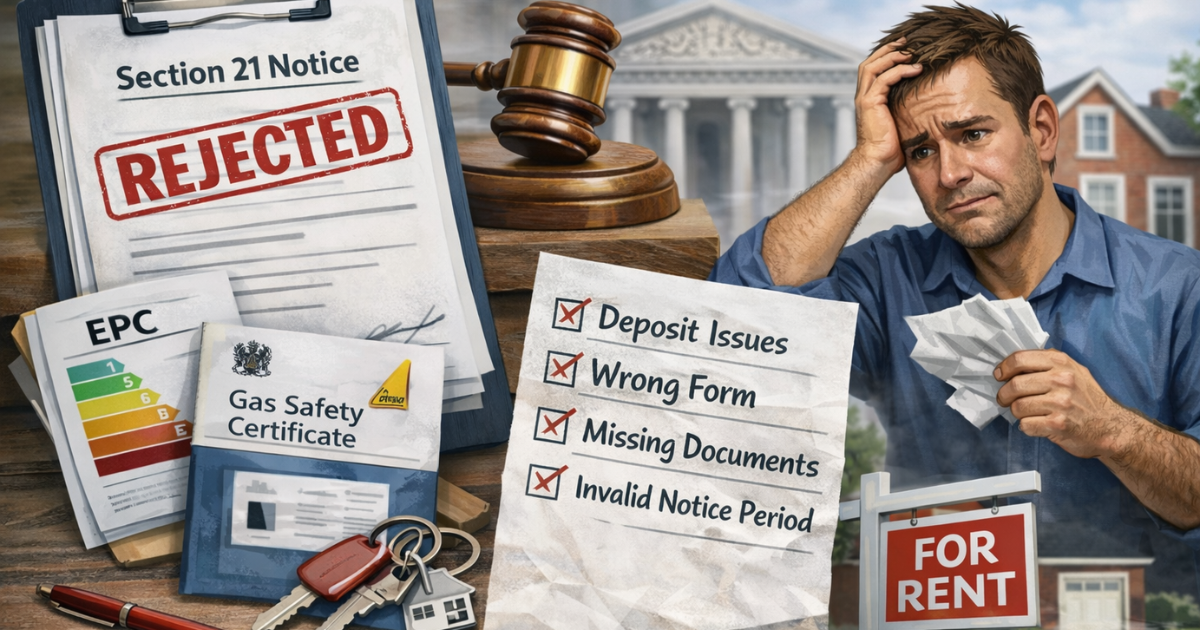
The Renters’ Rights Act isn’t just another piece of legislation gathering dust on Westminster’s shelves. This is a serious issue that will fundamentally change how the rental market operates. We’re talking about the abolition of Section 21 “no-fault” evictions, stricter regulations on property conditions, and enhanced tenant protections that’ll make your head spin.
You might be thinking, “Great, another headache for landlords.” And you’re not wrong—it is going to create challenges. But here’s where it gets interesting: every challenge brings opportunity. The question is whether you’re positioned to seize it or if you’re gonna get swept away by the tide.
The act is designed to provide tenants with greater security and improved living conditions. That’s admirable, really. But for landlords, it means adapting to a new reality where being a property owner requires more professionalism, better management, and yes, deeper pockets.
Beyond headline changes, landlords will face new responsibilities regarding property standards, with mandatory electrical safety inspections becoming more frequent and energy-efficiency requirements tightening considerably. The introduction of a national landlord register will also mean greater transparency and accountability across the sector. These aren’t just bureaucratic hurdles—they represent a fundamental shift toward treating rental properties as homes first, investments second. Smart landlords are already preparing for these changes, viewing compliance not as a burden but as a competitive advantage that helps them attract and retain high-quality tenants in an increasingly professional marketplace.
The Sell Option: Taking Your Chips Off the Table
Let’s start with the most straightforward option: selling. For many landlords, especially those with just one or two properties, this might seem like the sensible choice. Why deal with increased regulation and potential headaches when you could cash out and invest elsewhere?
Selling makes particular sense if you’re what I call a “reluctant landlord”—someone who ended up renting out property by circumstance rather than choice. Maybe you inherited a property, couldn’t sell when you moved, or bought as an investment without fully understanding what you were getting into. If that sounds like you, selling might be your golden ticket out.
The current market conditions aren’t terrible for sellers, especially in certain areas. Property values have held up reasonably well, and there’s still demand from both investors and owner-occupiers. But here’s the rub: timing is everything. Wait too long, and you might find yourself in a market flooded with properties from other landlords making the same decision.
When considering a sale, you’ll need to decide between selling with tenants in place (in situ) or with vacant possession. This choice can significantly affect your sale price and timeline, which we’ll discuss shortly.
The Stay Option: Weathering the Storm
Then there’s the “stay” option—keeping your existing portfolio but not expanding it. This is the middle ground, the “let’s see how this plays out” approach. It’s not necessarily a bad strategy, but it requires careful consideration of your current properties and their compliance with upcoming regulations.
Staying in the game means you’ll need to significantly improve your landlord performance. We’re discussing ensuring your properties meet higher standards, implementing stronger tenant screening processes, and likely investing in property management software or services. It’s no longer enough to collect rent and hope for the best.
The key to successful staying is preparation. You’ll need to audit your existing properties, identify any compliance issues, and budget for necessary improvements. This isn’t just about avoiding legal troubles—it’s about positioning your properties as desirable homes that attract quality tenants willing to pay fair rents.
The Scale Option: Doubling Down on Property
Now here’s where things get really interesting. While many landlords are running for the hills, some are seeing this as the perfect time to scale up. Sounds crazy? Maybe. But there’s method to this madness.
The Renters’ Rights Act is likely to push out smaller, less professional landlords who can’t or won’t adapt to the new requirements. This creates opportunities for those willing to invest in proper property management, maintain high standards, and treat rental property as a serious business rather than a side hustle.
Scaling during regulatory change requires significant capital and expertise, but it can be incredibly rewarding. You’re essentially buying when others are selling, potentially at better prices, and positioning yourself in a market with less competition from amateur landlords.
The scaling approach works best for landlords who already have systems in place, understand the market deeply, and have the financial resources to weather any short-term storms. It’s not for everyone, but for those who can pull it off, the rewards could be substantial.
In Situ vs Vacant Possession: The Critical Decision
Whether you’re selling or buying, you’ll face a crucial choice: in situ (with tenants in place) or vacant possession (empty property). This decision can make or break your financial outcome, so let’s break it down properly.
Selling with tenants in place typically means accepting a lower sale price—sometimes 10-20% less than vacant possession value. But here’s the trade-off: you continue receiving rental income right up until completion, and you avoid the costs and risks of obtaining vacant possession.
Getting tenants out isn’t always straightforward, especially with the changes coming through the Renters’ Rights Act. Section 21 evictions are on their way out, and alternative routes can be time-consuming and expensive. You might find yourself stuck with problematic tenants while trying to sell, which is nobody’s idea of fun.
Vacant possession offers maximum flexibility and typically yields the highest sale price. Buyers love empty properties—they can view properly, plan renovations, and move in immediately. But achieving vacant possession can be costly and stressful, particularly if tenants decide to dig their heels in.
The mathematics of this decision often surprises landlords. While vacant possession might yield a higher sale price, the costs of achieving it—legal fees, lost rental income, potential compensation payments, and property maintenance during void periods—can quickly erode that premium. Factor in the stress and uncertainty of eviction proceedings under the new regime, and suddenly, in situ sales start looking more attractive. Professional property investors have long understood this calculation, which is why many actively seek tenanted properties, knowing they can secure better deals while inheriting established income streams.

The Investor’s Perspective on In Situ Sales
From a buyer’s perspective, in situ purchases can offer excellent value. You’re getting an immediate income stream and often paying below market value for the privilege. The key is ensuring you’re comfortable with the existing tenants and lease terms.
Professional investors often prefer in-situ purchases because they understand tenant management and can assess whether existing arrangements align with their business model. They’re not fazed by inherited tenants—in fact, good tenants can be seen as an asset rather than a liability.
Making Your Decision: Factors to Consider
So how do you decide which path to take? It comes down to honest self-assessment and clear-eyed analysis of your situation. Ask yourself: do you enjoy being a landlord, or is it just a means to an end? Do you have the time, energy, and resources to adapt to increased regulation?
Your financial position matters enormously. Scaling requires significant capital reserves, while staying put may require only moderate investment in property improvements. Selling might seem like the easy option, but consider the tax implications and what you’ll do with the proceeds.
Don’t forget about your local market dynamics either. Some areas will be more affected by the changes than others. Student areas, for instance, might see significant shifts as the regulations impact house shares and short-term tenancies.
The Road Ahead
Whatever you decide, remember that the property market has weathered countless changes over the years. Yes, the Renters’ Rights Act represents a significant shift, but it’s not the end of the world for landlords—it’s just the beginning of a new chapter.
The successful landlords of tomorrow will be those who adapt quickly, maintain high standards, and treat their rental business professionally. Whether that’s you depends on your willingness to evolve with the changing landscape.
The choice between selling, staying, or scaling isn’t just about immediate financial returns—it’s about your long-term vision for property investment. Take your time, get proper advice, and make the decision that aligns with your goals and circumstances. After all, in property as in life, there’s rarely a one-size-fits-all solution.