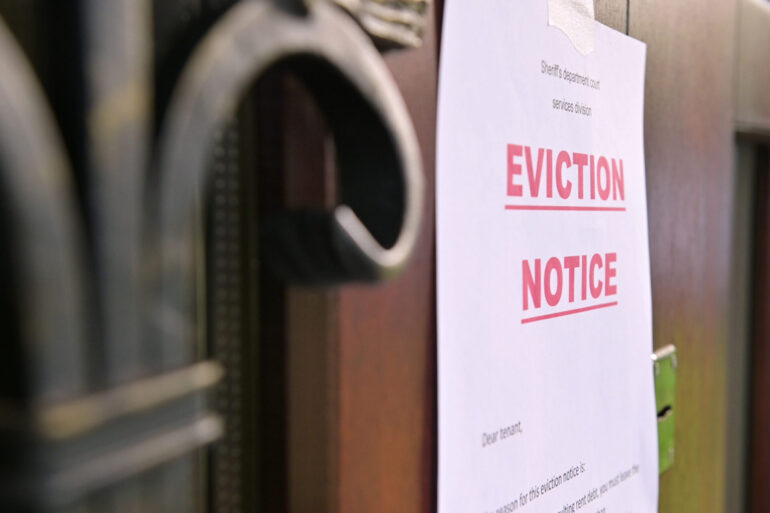


Let’s be honest — most landlords knew some form of reform was coming. The Renters’ Rights Act has been on the horizon long enough that the surprise isn’t the legislation itself. The surprise is who’s now raising the alarm.
The Law Society of England and Wales — not exactly a landlord lobby group — has put the government on notice. Their message is blunt: push ahead without serious investment in the courts, and you risk making things worse for everyone. Bigger backlogs, longer waits, and a possession system that fails tenants and landlords in equal measure.
Here’s what the warnings actually say, and — more usefully — what you can do about it before the system slows down further.
The court capacity problem (and why it matters more than people realise)
The Law Society’s core argument is pretty simple. Abolishing Section 21 — the “no fault” eviction route — will push more cases into court. Remove a route that landlords currently rely on heavily, and contested cases go up. If the courts can’t handle the extra load, delays follow. And when the system slows, everyone stuck inside it pays the price.
This isn’t speculation. Private landlord repossessions are already up 3% year-on-year — and that’s before the Act has even come into force. The Law Society’s president has called for properly funded courts to maintain what they’re calling a “level playing field” between landlord and tenant interests. Whether that funding actually arrives is a separate question.
Put 1 May 2026 in your diary now
That’s the date Section 21 evictions are abolished in England. After that point, landlords who need to recover their property will have to go through the courts — evidence packs, hearings, and then enforcement through bailiffs or High Court officers.
If the system is already under pressure today, replacing a commonly used route with more contested hearings is going to make things tighter. That’s not a political point — it’s just how the numbers work.
Claim volumes are down. Delays are up. Work that out.
This is the bit that should give landlords pause. Possession claim volumes actually fell in 2025 — down from 98,766 in 2024 to 91,093, a drop of 7.8%. Both main routes fell: accelerated claims were down 12.8%, Section 8 down 4.9%.
And yet, the median time from claim to repossession increased — from 25 weeks to 27 weeks. That’s now the longest median wait in over two decades, once you strip out the pandemic backlog years.
Fewer cases are going in, but the ones that do are taking longer to come out. That’s not a temporary blip. That’s a system under structural strain — before the Act makes it more court-dependent.
Delays aren’t just stressful. They’re expensive.
When possession drags on, the cost isn’t just the headache — it’s real money. Research from the High Court Enforcement Officers Association (October 2025) puts the average rent loss at the point of eviction at £12,708 nationally. In London, that figure rises to £19,223.
Treat those as ballpark figures if you like. But the point holds: once arrears start mounting and possession is in train, time is costing you. For a single-let landlord with one property, a mortgage to cover and no income coming in, that kind of exposure can tip from uncomfortable to genuinely destabilising.
London is, unsurprisingly, where the pressure is worst
Barking and Dagenham recorded 878 private landlord repossession claims per 100,000 households — the highest in the dataset. Six of the ten highest repossession rates nationally in Q4 2025 were London boroughs.
The practical point here isn’t just the volume — it’s that local court and bailiff capacity varies enormously. Two landlords can do everything correctly and still end up with wildly different timelines, purely based on where their properties are. Unfair, yes. But it’s how it works.
What Landlord Action’s data tells us about where things are heading
Landlord Action’s own instruction figures from 2025 show that 43% of new instructions were for Section 21 or accelerated possession, with 27% for Section 8. That’s a significant chunk of the market built around a route that’s about to disappear.
When Section 21 goes, those cases don’t vanish — they shift. More of them become contested Section 8 hearings. More complex, more time-consuming, and far more dependent on the landlord having solid paperwork from the start.
Getting a possession order isn’t the end of it
Even once you’ve got a court order in hand, enforcement is a separate queue. County Court bailiff capacity is stretched thin, which is why there are increasing calls for greater use of High Court enforcement in appropriate cases.
The numbers show what this looks like in practice: warrants of possession issued fell to 39,101 in 2025, yet County Court bailiff repossessions actually increased to 28,628. Older cases are still grinding through the system even as new claim volumes drop. It’s a queue that doesn’t clear quickly.

In a serious arrears case, you could be looking at close to a year
Under the new rules, the mandatory rent arrears threshold is rising from 2 months to 3 months, and notice periods are being extended to 4 weeks. Layer those changes on top of existing court delays and enforcement waits, and, in a bad arrears scenario, the timeline arithmetic points to something close to 12 months of unpaid rent.
Your experience could be shorter or longer, depending on your area and the condition of your paperwork. But the direction is the same for everyone: slower, more court-dependent, more evidence-driven. That’s the world landlords are heading into.
What you can do about it
You can’t fix court funding. But you can control how solid your position is if things go wrong. Four things worth doing now:
1. Tighten your referencing
In a slower system, getting the right tenant through the door matters more than ever. Be consistent, document your decisions, and be honest about affordability — not just whether someone passes a credit check.
2. Think about guarantors
Not right for every tenancy, but where it makes sense, a guarantor gives you more options if arrears develop. It won’t make problems disappear, but it can meaningfully improve your position.
3. Reassess rent guarantee insurance
If you’ve been treating this as an optional extra, it’s worth reconsidering. Given the direction of travel on possession timelines, having cover that pays out while you’re going through the process could be the difference between managing and struggling. It’s not right for every tenancy but assess it now — before you actually need it.
4. Get your admin in order
Unsexy, but genuinely important. If possession becomes more contested, clean paperwork wins time — and time is money. That means keeping on top of:
- A complete, tidy tenancy file
- Consistent records of all communications with your tenant
- A clear rent ledger showing exactly what’s been paid and when
- Documented proof that notices were served correctly
The bottom line
The Law Society’s warning isn’t a landlord lobby argument. It’s a procedural one — made by the same body that represents solicitors on both sides of possession proceedings. Their point is that abolishing Section 21 is a significant change to make at a time when the court system is already under strain.
The numbers back that up. Delays are rising even as claim volumes fall — and the Act hasn’t come into force yet.
For landlords, the takeaway isn’t to panic. It’s to assume the process will be slower, build your tenancy management around that assumption, and make sure your paperwork is strong enough that if you do ever need to go to court, you’re not scrambling to put the case together under pressure.