

Let’s cut to the chase – energy efficiency standards feel like walking through a minefield blindfolded. One day, you’re just collecting rent and fixing dripping taps; the next thing you know, you’re buried under EPC certificates, wondering what on earth MEES stands for. You’re definitely not the only one pulling your hair out over this stuff.
The Minimum Energy Efficiency Standards (MEES) aren’t some temporary headache that’ll disappear. They’re sticking around, getting tougher by the day. If you’re renting out properties in England and Wales, wrapping your head around these rules isn’t a nice-to-have anymore – it’s make-or-break for your business.
What’s All This MEES Business About?
Picture MEES as the government’s hammer for stopping rental properties from being energy-sucking beasts. Since April 2018, renting out properties with an Energy Performance Certificate rating below E has been illegal. Yep – if your place gets slapped with an F or G rating, you can’t legally rent it out. Period.
You might be scratching your head thinking, “My tenants aren’t complaining though!” Here’s the kicker – tenant satisfaction doesn’t matter squat to the law. Rules are rules, and breaking them hurts your wallet. We’re talking fines up to £5,000 for domestic properties, which ain’t exactly loose change you find down the sofa.
These regulations cover most domestic private rental properties – houses, flats, and even some commercial spaces. Sure, there’s a handful of exemptions, but they’re pretty rare. Better to assume your property needs compliance unless you’re 100% certain it doesn’t.
EPC Ratings Decoded: Why Should You Care?
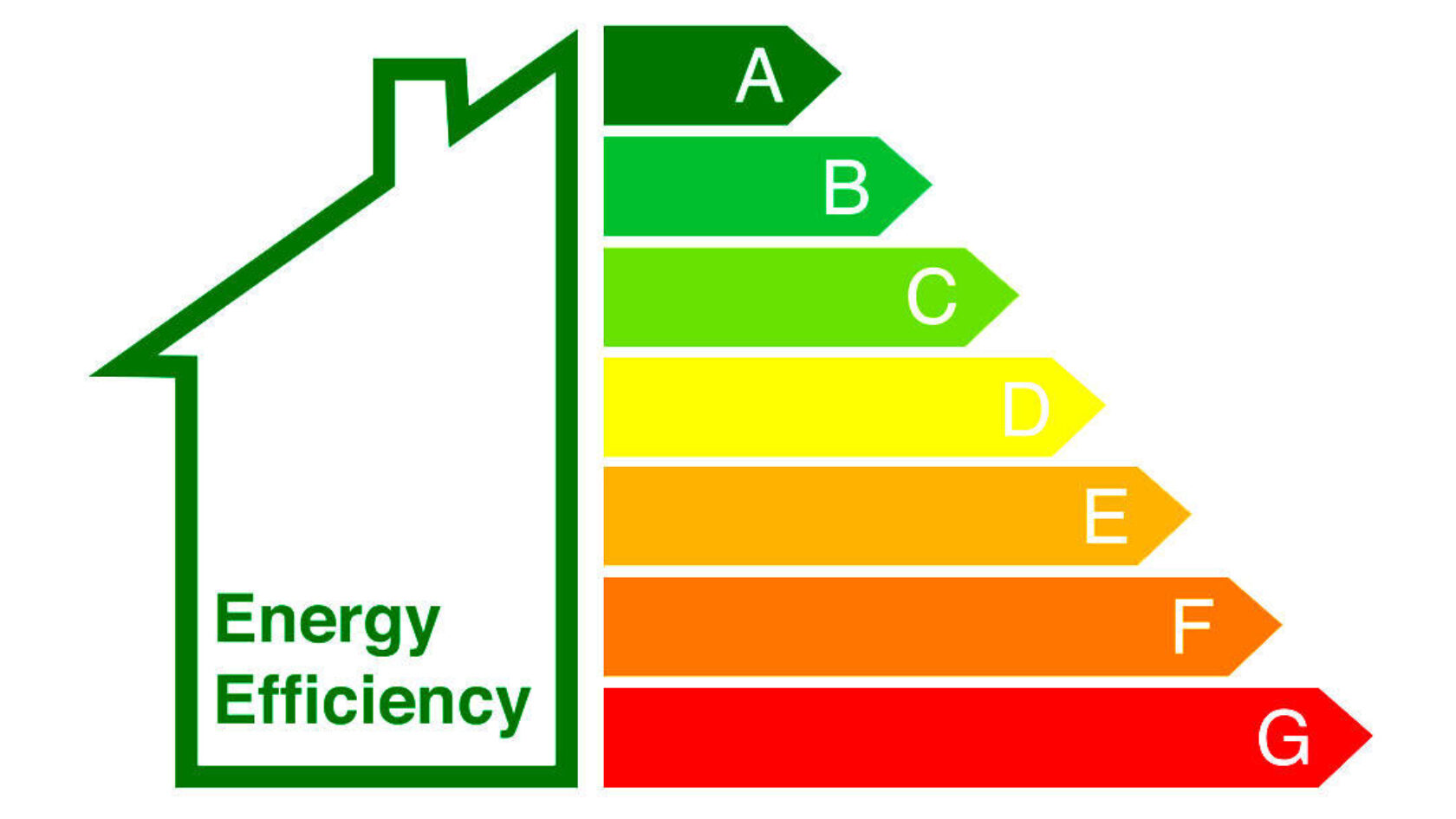
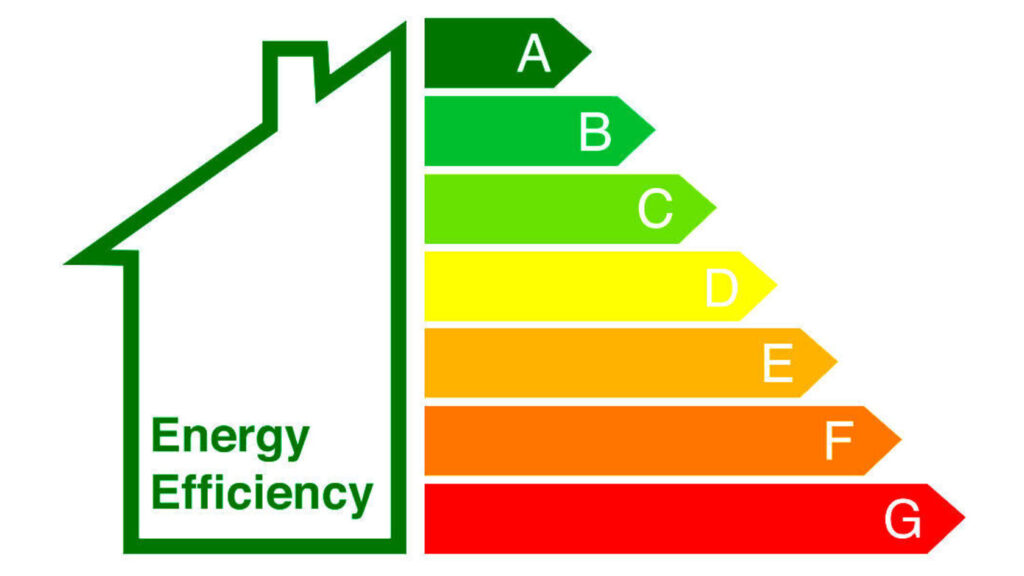
Energy Performance Certificates grade properties A through G. A means super efficient, G means… well, it’s basically the participation trophy of energy efficiency. Your property must hit at least an E rating to be legally rentable.
Getting an EPC is pretty straightforward. A qualified energy assessor visits your property and pokes around everything from insulation to heating systems. They’ll examine wall thickness, window types, boiler efficiency – basically anything affecting energy consumption.
The assessment goes beyond box-ticking, though. Assessors provide improvement recommendations ranked by bang-for-buck value, giving you a clear game plan for upgrades. They’ll also estimate costs and potential savings, helping you decide which improvements deserve priority.
Here’s what trips up most landlords: EPC ratings use standardized assumptions about how people live and use energy. The rating reflects your property’s efficiency potential, not how your actual tenants behave. A cozy, comfortable property might still score poorly due to poor insulation or an outdated heating system.
The Magic £3,500 Spending Limit
Now here’s where it gets spicy. The government knows dragging every property up to standard could cost a fortune, so they created the “£3,500 rule.” Basically, you only have to spend up to £3,500 (VAT included) on energy improvements.
Can you hit an E rating for under £3,500? You gotta do it. Would improvements cost more than £3,500 and still leave you short of an E rating? You can register for an exemption. It’s like the government saying, “Give it your best shot, but we won’t force you into bankruptcy.”
But here’s the catch – you must spend the full £3,500 on the most cost-effective improvements, even if they don’t reach E rating. You can’t just slap in a £200 smart thermostat and call it done.
Smart Upgrades That Actually Move the Needle
Some improvements deliver greater impact than others in boosting energy efficiency. Loft insulation often delivers the biggest wins – it’s cost-effective and can significantly improve your EPC rating.
Cavity wall insulation is also effective if your property has suitable walls. Swapping out ancient boilers for modern condensing models can also rocket your rating skyward, especially if you’re replacing some relic from the Reagan era.
Don’t sleep on the simple stuff either. LED bulbs throughout, better heating controls, basic draught-proofing – they all add up. Sometimes, combining smaller improvements pushes you over the finish line.
One landlord I chat with regularly took her Victorian terrace from F to D rating just by adding loft insulation, upgrading the boiler, and installing thermostatic radiator valves. Total damage? Just under £2,800.
When You Might Catch a Break: Exemptions Explained
Some properties genuinely can’t hit E rating standards. Spent your required £3,500 and still stuck below E? You can apply for a five-year exemption, though you’ll need to reapply when it expires.
You might also qualify if recommended improvements would reduce your property value, if you need third-party permissions you can’t obtain, or if demolition is planned. Listed buildings sometimes get special treatment, but the rules are tight as a drum.
Documentation is everything with exemptions. You need rock-solid proof you’ve explored every reasonable option and clear explanations why compliance isn’t doable. “Too pricey” doesn’t cut it – you need receipts and detailed reasoning.
Future-Proofing: What’s Coming Down the Road
Brace yourself – standards are tightening like a vice. The government has already indicated that minimum ratings will increase to D, possibly even C, in the future. Timeline keeps shifting, but the direction’s crystal clear.
Savvy landlords are already exceeding today’s E rating requirement. Planning improvements anyway? Makes perfect sense to aim higher and bulletproof your investment. C-rated properties aren’t just more compliant – they’re magnets for tenants worried about energy bills.
Enforcement Reality Check: Penalties That Bite
Local councils can issue compliance notices and financial penalties for MEES violations. These aren’t empty threats either – councils actively hunt down rule-breakers, especially after tenant complaints.
Domestic properties face fines up to £5,000. But money isn’t the only pain point – getting caught lands your property on a public register of non-compliant landlords. That’s publicity nobody wants plastered everywhere.
Enforcement usually starts with compliance notices that give you a chance to fix issues. Ignore them, and penalties escalate faster than a rocket ship.
Your Action Plan for Getting Compliant
Starting from zero? Don’t freak out. Get fresh EPCs for all your properties first. EPCs last 10 years, but older ones may include outdated recommendations that won’t help much.
Once you know where you stand, tackle your worst performers first. Hunt down quick wins – improvements delivering maximum rating boosts for minimum cash.
Keep bulletproof records of everything. Save receipts, take photos, and document your reasoning. If you ever need exemptions or face enforcement action, this paperwork becomes your lifeline.
Consider contractors who receive MEES across both inside and outside. Some improvements require specific installation standards to qualify for EPC ratings. You don’t want money wasted on work that doesn’t help compliance.
Turning MEES Into a Business Win
Nobody’s throwing parties over new regulations, but MEES compliance doesn’t have to be draining. Energy-efficient properties often command premium rents and attract quality tenants. They’re cheaper for tenants to heat, too, making them more appealing in competitive markets.
Many improvements you’ll make – better insulation, efficient heating, LED lighting – slash maintenance costs long-term. Think of it as investing in your property’s future value, not just jumping through regulatory hoops.
The secret sauce is planning ahead instead of last-minute scrambling. Start early, budget smart, and think strategically about which improvements deliver the best returns.
Energy efficiency standards aren’t going anywhere – they’re getting more demanding if anything. But with the right game plan, you can flip compliance from a burden into a competitive edge rather than just another business expense.