

Let’s be real—nobody’s jumping for joy about penalties and fines. But if you’re a landlord or property manager, you’d better buckle up for this one. The Renters’ Rights Act 2025 dropped some pretty hefty changes on the rental scene, and getting your head around these civil penalties could save you from major trouble later.
I’ve been tracking housing laws for years, and man, this new act is one of the biggest rental shakeups we’ve seen in ages. The civil penalty setup isn’t just about smacking people with fines—it’s built to level the playing field for everyone in the game.
Understanding the Civil Penalty System
The civil penalty system works like a ladder—you mess up a little, you pay a little. Mess up big, and your wallet’s gonna feel it. Pretty simple once you wrap your brain around it.
These aren’t criminal charges, which matters more than you think. They’re admin slaps designed to get you back in line rather than throw you in the slammer. The government’s playing more good cop than bad cop here, though the bad cop’s definitely lurking if you push it.
Penalties start at £500 for minor violations and climb to £40,000 for serious violations. That top number might make your eyes water, but it’s usually saved for repeat troublemakers or cases where tenants got seriously screwed over.
What’s actually clever about this system is how it looks at the whole picture. Local authorities have to consider your track record, how much harm you caused tenants, and whether you had good reasons for screwing up. Honest mistakes get treated way better than deliberate rule-breaking.
The penalty structure also throws you a bone with early settlement discounts, just like parking tickets. Own up and pay within 14 days, and you can sometimes reduce the penalty by half. Smart move that gets things sorted quickly and reduces paperwork for everyone.
Additionally, the act specifies when you receive penalties, warnings, or improvement notices. First-time minor violations often just get you a formal warning, giving you a chance to fix things without incurring costs. But don’t expect this courtesy for serious safety issues or situations where tenants are in immediate danger.
Common Violations and Their Penalties
You’re probably wondering what exactly lands you in hot water. The act covers loads of potential slip-ups, and some might catch you off guard.
Deposit Protection Failures
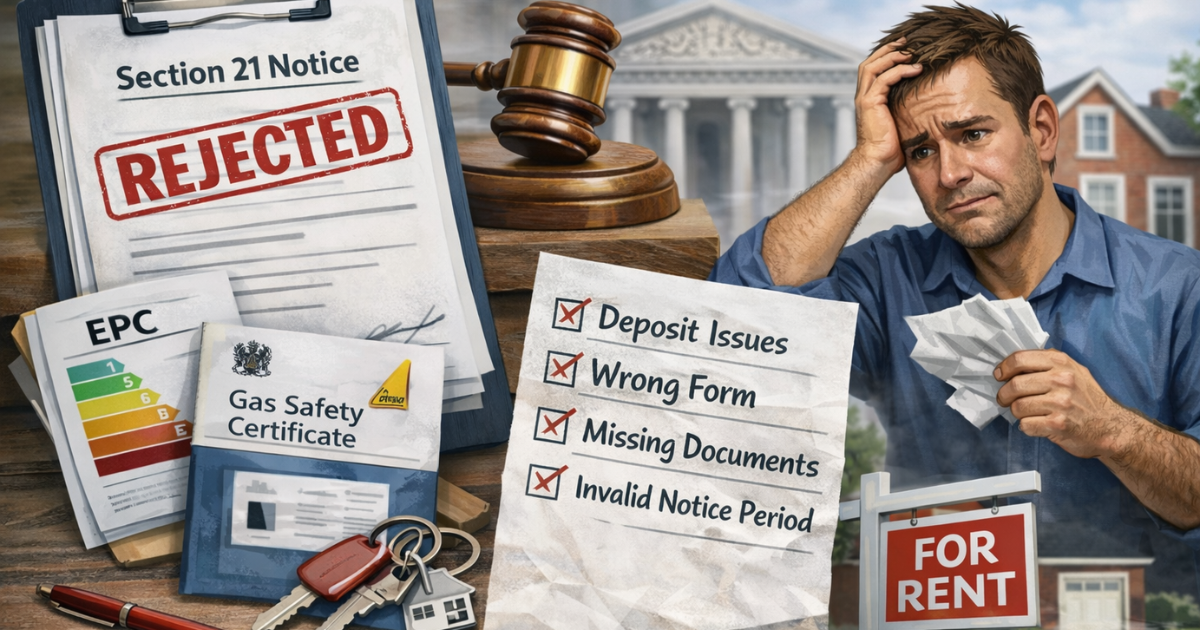
This one trips up landlords repeatedly. Fail to protect a tenant’s deposit in an approved scheme within 30 days, and you’re staring at a penalty of up to £3,000. It’s dead easy to dodge this bullet—just use a government-approved deposit protection scheme and do it quick smart.
Unlawful Eviction Attempts
Now we’re getting into serious territory. Try to boot a tenant without following proper procedures, and you’re looking at penalties from £5,000 to £30,000. The exact hit depends on how badly you messed up and whether you harassed anyone in the process.
Property Condition Violations
Let your property turn into a dump and face penalties between £1,000 and £10,000. This covers everything from busted heating and dodgy hot water to bigger problems like structural issues or rat infestations.
Documentation and Licensing Failures
Missing paperwork might look harmless, but it’ll cost you. Fail to provide required certificates, licenses, or tenant info and face penalties up to £2,500. Keep your documents sorted—you’ll thank me later.

The Penalty Assessment Process
Here’s something that might calm your nerves: the penalty assessment isn’t random. Local authorities follow a proper process when determining penalties, weighing several factors.
First, they’ll assess how serious your violation was. Minor paperwork hiccups obviously don’t pack the same punch as putting tenants in danger. They’ll also dig into whether this is your first rodeo or if you’ve got a rap sheet of violations.
How you handle the investigation counts, too. Be responsive and helpful, and show real effort to sort things out; that works for you. Act like a pain in the backside, and watch that penalty amount climb.
The financial hit on tenants is another big factor. Did your screw-up cost tenants money or cause major hassle? That’ll bump up the final penalty.
Appeals and Dispute Resolution
Nobody’s perfect, and sometimes stuff happens, or situations get more complicated than they look. That’s why the act includes a solid appeals process.
You get 28 days from receiving a penalty notice to appeal. The appeal goes to the First-tier Tribunal, which is an independent group that will review your case fairly. They can cut the penalty, keep it the same, or sometimes even bin it completely if they reckon the original decision was wrong.
I’ve seen cases where landlords successfully appealed penalties by showing they’d done their best to comply or that circumstances beyond their control caused the violation. The trick is to put together a clear, well-supported case.
Prevention Strategies
Look, the best penalty is no penalty at all. Prevention beats cure every time, especially when we’re talking fines that could hit five figures.
Start with a proper compliance checklist. Cover the basics: deposit protection, safety certificates, licensing requirements, and tenant paperwork. Check this regularly—laws change, and what worked last year might not fly today.
Think about investing in property management software or services. Yeah, it costs money upfront, but it’s peanuts compared to penalty fees. These systems can set up automatic reminders for certificate renewals, track compliance deadlines, and keep proper records.
Build solid relationships with reliable contractors and service providers. When you need urgent repairs or safety checks, having trusted pros on speed dial can mean the difference between staying compliant and getting a penalty notice.
Real-World Impact Stories
Let me tell you about a mate of mine—we’ll call him Dave—who thought he could skimp on deposit protection. “It’s just paperwork,” he reckoned. Three months later, he was fined £3,000 after a tenant complained to the local authority.
Dave’s mess could’ve been avoided with about 30 minutes of admin work. Instead, he spent months navigating the penalty process and appeals, and ultimately paid the fine. The stress wasn’t worth it, and his reputation in the local property scene took a beating, too.
On the flip side, I know landlords who’ve embraced these new requirements and actually seen their businesses improve. Better documentation means fewer arguments, proper maintenance schedules cut down emergency repairs, and compliant practices attract quality tenants who value professional management.
Looking Ahead
The Renters’ Rights Act 2025 marks a big shift in how rental properties get regulated, and the civil penalty system is just one piece of that puzzle. Local authorities are still building up their enforcement muscle, which means we’ll probably see more consistent penalty application over time.
What’s clear is that the days of casual compliance are over. The penalties pack enough punch to seriously dent your business, and enforcement mechanisms get stronger every year.
But here’s the kicker—this isn’t necessarily bad news for decent landlords. If anything, it evens the playing field by making it tougher for dodgy operators to undercut legitimate businesses through corner-cutting.
Final Thoughts
The civil penalties under the Renters’ Rights Act 2025 might look scary at first, but they’re really just putting into law what good landlords should be doing anyway. Protecting deposits, maintaining properties, following proper procedures—these aren’t crazy expectations.
My advice? Don’t wait for a penalty notice to check your practices. Get ahead of the game, invest in proper systems, and treat compliance as a business investment rather than a pain in the neck. Your tenants will love it, your business will run smoother, and you’ll sleep better knowing you’re playing by the rules.
Remember, the goal isn’t just to avoid penalties—it’s to build a sustainable, professional rental business that works for everyone. The civil penalty system ensures everyone plays by the same rules.